
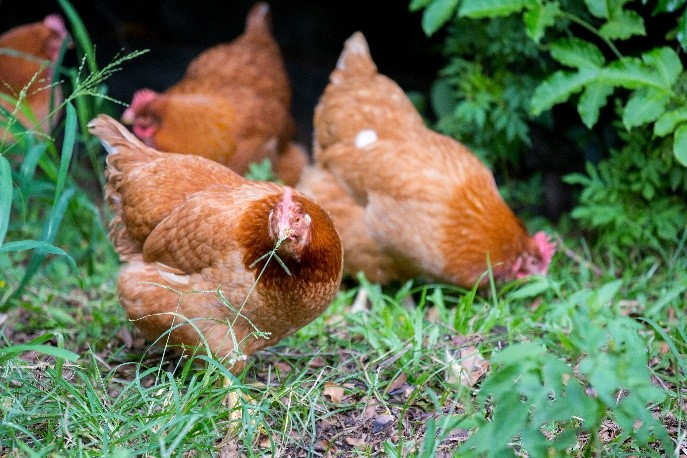
Free-range backyard chickens offer remarkable benefits including eggs with 2-6 times more vitamins, natural pest control covering 120 square feet per bird weekly, and up to 90% reduction in feed costs—but they also face significantly higher predator losses and disease risks compared to confined birds. This comprehensive analysis reveals that while free-ranging delivers superior nutrition, entertainment value, and sustainability benefits, success requires substantial investment in predator-proofing, regulatory compliance, and ongoing management that many beginners underestimate.
The growing popularity of backyard chickens reflects Americans’ desire for food security, sustainable living, and connection to their food sources. With recent egg price volatility and increased interest in organic, locally-sourced nutrition, free-range systems have become particularly appealing. However, the decision between free-range and confined systems involves complex tradeoffs between natural behavior benefits and practical management challenges that extend far beyond simple housing preferences.
Table of Contents
- The remarkable benefits of free-range backyard chickens
- Serious challenges you need to understand
- US regulations and neighbor relations
- Real costs and financial considerations
- Seasonal management and best practices
- Common mistakes that lead to failure
The remarkable benefits of free-range backyard chickens
Superior egg quality that’s actually measurable
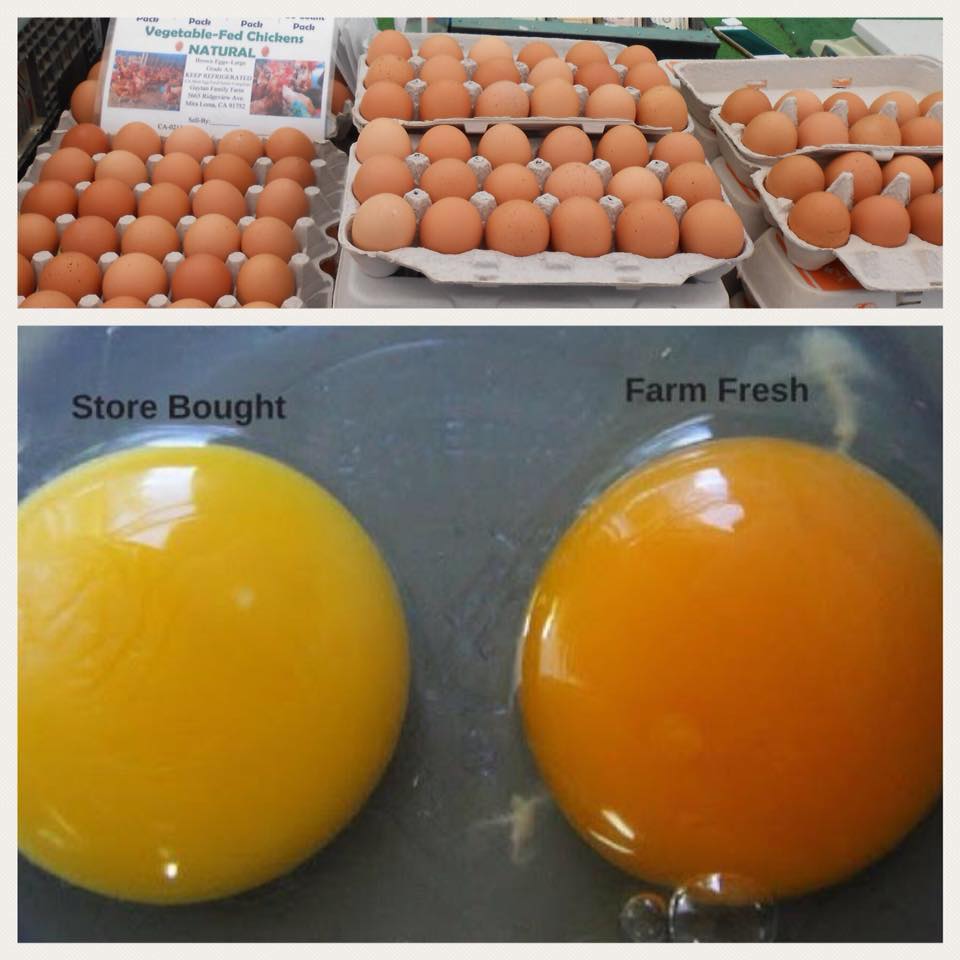
The nutritional differences between free-range and confined chicken eggs aren’t just marketing hype—they’re scientifically documented and substantial. Free-range eggs contain 2-3 times more Vitamin E, 40% more Vitamin A, and 4-6 times more Vitamin D according to research from North Carolina State University and Mother Earth News studies. The deeper orange yolks you’ll notice aren’t just prettier; they indicate significantly higher beta-carotene levels and improved omega-3 fatty acid profiles.
After raising both free-range and confined chickens, the difference in egg taste and texture is immediately apparent. Free-range eggs have firmer whites, more vibrant yolks, and a richer flavor that makes store-bought eggs taste bland by comparison. The freshness factor alone—collecting eggs daily versus buying eggs that may be 45+ days old—creates a noticeable difference in cooking performance and nutritional quality.
Natural pest control that actually works
One of the most underappreciated benefits of backyard chickens is their effectiveness as living pesticides. A single chicken can debug up to 120 square feet per week, targeting grasshoppers, Japanese beetles, cabbage worms, aphids, slugs, and even ticks. Oregon State University research demonstrated that chickens completely eliminated apple maggot infestations in organic orchards, saving entire crops without chemical intervention.
Chickens don’t just eat adult insects—they break pest reproduction cycles by consuming eggs and larvae. During peak bug season, watching your flock systematically work through your yard provides both entertainment and genuine agricultural value. The seasonal timing works perfectly too, with peak chicken foraging activity coinciding with peak pest emergence in spring and early summer.
Garden gold from chicken manure
The fertilizer production from backyard chickens represents serious economic value for gardeners. Each chicken produces 8-11 pounds of manure monthly with an impressive NPK ratio of approximately 4% nitrogen, 2% phosphorus, and 1% potassium in dried form. This nutrient density exceeds most commercial fertilizers and includes essential micronutrients often absent from synthetic alternatives.
The recommended application rate of 20-30 pounds per 100 square feet means a small flock can fertilize substantial garden space annually. Beyond basic nutrition, chicken manure improves soil structure, water retention, and feeds beneficial soil microbes. Many successful gardeners plan their chicken runs to rotate through garden areas during off-seasons, allowing birds to naturally prepare beds for the following year’s planting.
Cost savings through natural foraging
The economic benefits of free-ranging extend beyond avoiding grocery store egg prices. Well-managed rotational grazing can reduce feed costs to one-tenth of confined feeding, dropping daily consumption from 1/3 pound to 1/10 pound per bird. Even basic free-ranging typically reduces commercial feed consumption by 10-20%, resulting in annual savings of $12-24 per bird.
These savings compound over time, especially as commercial feed prices continue rising. Free-range chickens also utilize kitchen scraps and garden waste more effectively, reducing household food waste while converting scraps into valuable eggs and fertilizer. The circular economy of free-range systems creates multiple value streams from single inputs.
Educational and entertainment value
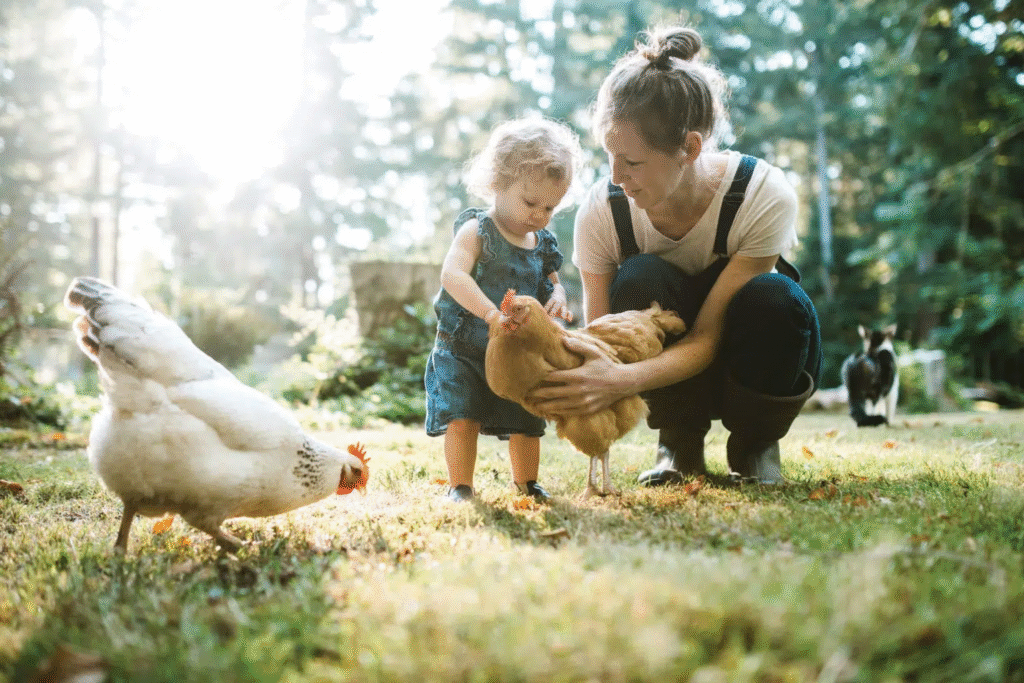
Backyard chickens provide genuine educational opportunities that extend far beyond basic animal care. Children learn responsibility, biology, economics, and food system awareness through daily chicken management. Each bird develops distinct personality traits that make flock observation endlessly entertaining—many owners describe their chickens as “better than television.”
The social media potential alone has value in our connected world. Chicken behavior provides natural conversation starters and community connections, often leading to neighborhood relationships built around sharing eggs, advice, and experiences. For families seeking screen-time alternatives and hands-on learning, free-range chickens deliver measurable benefits in child development and family bonding.
Serious challenges you need to understand
Predator pressure is relentless and sophisticated
The single largest challenge facing free-range backyard chickens is predation, which accounts for 40% of mortality in organic laying hen flocks according to Dutch research. Domestic dogs represent the most common threat in both urban and suburban areas, often killing multiple birds for sport rather than food. Unlike wild predators that typically take one bird for sustenance, dogs scatter feathers across wide areas and may kill entire flocks in minutes.
Hawks adapt their hunting patterns to backyard chicken schedules, learning when birds are released and waiting nearby. Great horned owls hunt at night and can take full-grown chickens silently. Ground predators like raccoons work in coordinated teams and can access coops through surprisingly small openings—weasels can fit through quarter-inch holes and will kill entire flocks by biting necks.
The seasonal variation in predator activity creates ongoing management challenges. Spring brings increased hawk activity as raptors feed young, while fall migration patterns intensify aerial threats. Understanding these patterns requires constant vigilance and adaptive management that many new chicken keepers underestimate.
Disease and parasite risks multiply outdoors
Free-range systems expose chickens to significantly more health challenges than confined housing. Research shows 71% of fecal samples from free-range flocks contain parasitic eggs, compared to much lower rates in confined systems. Common parasites include Ascaridia galli (roundworms), various coccidia species, and external parasites like mites, lice, and ticks from wild bird contact.
Mortality rates in free-range systems often run 2-3 times higher than confined systems (5-10% versus 3-5% annually). Swedish studies documented significantly more deaths in free-range flocks, with bacterial infections, viral diseases, and environmental accidents contributing to increased losses. The exposure to wild bird droppings increases disease transmission risks including avian influenza and Newcastle disease.
Monitoring individual bird health becomes more challenging in free-range systems. Natural hiding behaviors when birds are ill, environmental distractions, and predator removal of sick birds can mask health issues until problems become severe. This delayed recognition often leads to more expensive treatment costs and higher mortality rates.
Property damage and neighbor relations
Free-range chickens inevitably cause property damage that extends beyond their designated areas. Chickens scratch through mulch, destroy plantings, and create bare patches in lawns through natural foraging behavior. Dust bathing creates unsightly holes in landscaping, while irrigation systems suffer damage from pecking and scratching.
The property line issues become particularly problematic in suburban settings. Chickens don’t respect boundaries and will explore neighboring yards, potentially damaging flower beds, vegetable gardens, and landscaped areas. These incidents can strain neighbor relationships and create legal liability for property damage and nuisance claims.
Even well-maintained chicken areas can generate noise complaints from early morning activity and occasional vocalizations. The aesthetic impact of chicken coops and runs may not align with neighborhood standards, particularly in HOA-regulated communities where appearance standards are strictly enforced.
US regulations and neighbor relations
Municipal ordinances vary dramatically across regions
The regulatory landscape for backyard chickens varies significantly across US municipalities, creating confusion for potential chicken keepers. Urban areas typically allow 2-6 hens with no roosters, requiring specific setbacks of 25-50 feet from neighboring residences. Many cities require annual permits costing $35-100, with specific coop design requirements and regular inspections.
Suburban zones often impose more restrictive regulations, including minimum lot sizes (sometimes 0.2+ acres), maximum bird limits, and detailed setback requirements. Rural areas generally offer more flexibility but may still have density limits and zoning restrictions. The trend toward allowing backyard chickens continues growing, but implementation details vary dramatically between neighboring jurisdictions.
For example, El Paso, Texas allows 6 chickens maximum with a $35 annual permit and permits up to 3 roosters, while San Jose, California allows 6 chickens without permits but requires permits for up to 20 birds based on distance requirements. These variations require careful research before acquiring chickens to avoid costly compliance issues.
HOA restrictions often override municipal permissions
Homeowners Association regulations frequently prohibit livestock or poultry entirely, regardless of municipal allowances. Recent legislative changes, such as Missouri’s 2024 law overriding HOA restrictions for up to 6 chickens on lots 0.2+ acres or larger, represent growing recognition of food security and sustainable living rights.
However, most HOAs maintain broad restrictions citing noise, odor, and property value concerns. The legal classification of chickens as “livestock” versus “pets” creates ongoing ambiguity that can result in expensive legal disputes. Before investing in chicken infrastructure, reviewing HOA covenants and obtaining written permission prevents costly conflicts.
The enforcement of HOA restrictions often depends on neighbor complaints and HOA board composition. Changes in neighborhood demographics or board membership can alter enforcement patterns, creating uncertainty for chicken keepers even when initially approved. Building positive neighbor relationships and addressing concerns proactively helps prevent complaint-driven enforcement actions.
Real costs and financial considerations
Initial setup investments are substantial
Setting up a proper free-range backyard chicken system requires significant upfront investment that often exceeds beginners’ expectations. A basic coop for 4-6 chickens costs $250-650, while medium coops for 8-12 birds range from $650-1,200. Walk-in coops for larger flocks can cost $1,200-2,000 or more, though DIY construction can reduce costs by 50-70%.
Predator-proofing represents a critical but expensive component. Hardware cloth with 1/4-inch mesh costs $3-5 per linear foot, while electric poultry netting runs $150-300 per 164-foot roll. Proper installation including buried aprons, T-posts, and automatic door systems adds $200-500 to basic setups. These predator protection measures are essential—failure to invest adequately often results in complete flock losses that far exceed initial savings.
Essential equipment including feeders, waterers, nesting boxes, perches, and bedding adds another $150-300 to startup costs. Day-old chicks cost $2-15 each for common breeds, while point-of-lay pullets range from $15-35 each. Rare or specialty breeds can cost $25-50 or more per bird.
Ongoing expenses and hidden costs
After initial setup, free-range chickens incur ongoing monthly expenses that vary seasonally. Feed costs average $2-3 per month per bird for free-range systems, compared to $3-4 for confined birds. A 50-pound bag of quality feed costs $15-30 ($30-45 for organic), with each chicken consuming 4-5 pounds monthly when free-ranging effectively.
Bedding, supplements (grit and oyster shell), and miscellaneous supplies add $10-20 monthly for small flocks. Veterinary care costs $50-200+ per bird for health issues, with free-range birds requiring more frequent treatment due to higher disease and injury exposure. Replacement bird costs due to higher mortality rates can add $15-50+ per bird annually.
A small flock of 6 chickens costs approximately $180-250 annually after initial setup in free-range systems, compared to $240-350 for confined systems. While feed savings of $60-100 annually are achievable, these must be weighed against higher mortality, veterinary, and replacement costs that can offset much of the economic advantage.
Break-even analysis and ROI considerations
The economic viability of backyard chickens depends heavily on local egg prices, management efficiency, and flock productivity. Free-range chickens typically produce 4-6 eggs weekly during peak season, with production declining in winter due to reduced daylight hours. At current egg prices ($3-6 per dozen for pasture-raised), a productive hen generates $50-100 in egg value annually.
However, when factoring in feed costs ($24-36 annually), replacement costs, veterinary expenses, and time investment, the economic break-even often takes 2-3 years. The intangible benefits of fresh eggs, pest control, fertilizer, and family entertainment provide additional value that’s difficult to quantify but significant for many families.
For those considering backyard chickens primarily for economic reasons, the financial case improves with larger flocks (economies of scale), longer bird lifespans (better management), and premium egg sales to neighbors. However, the primary motivations should include sustainability, food security, and lifestyle benefits rather than pure profit maximization.
Seasonal management and best practices
Winter challenges require proactive planning
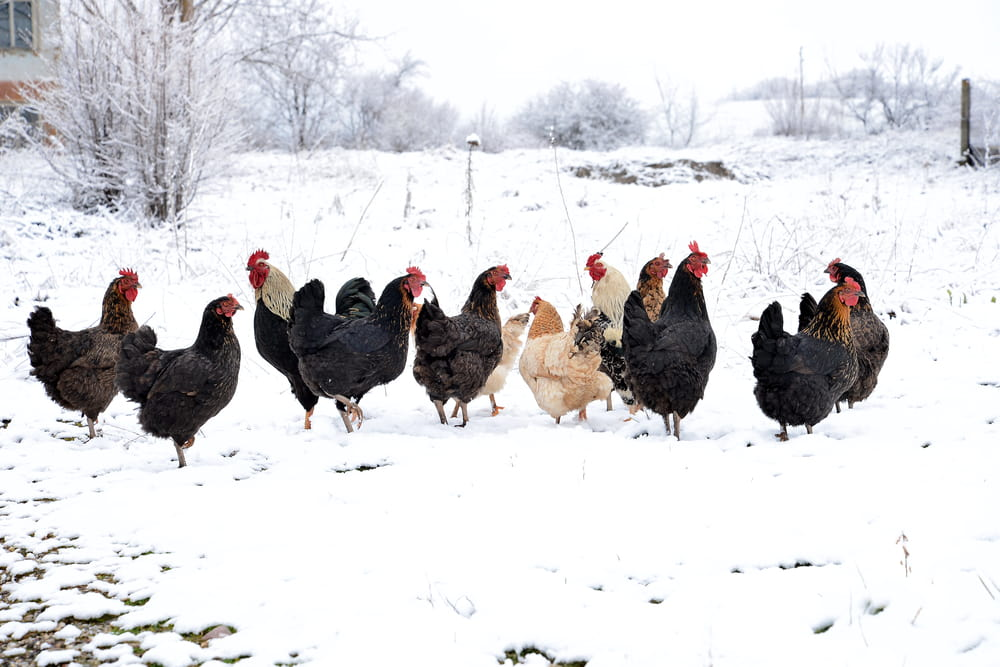
Winter management represents one of the most challenging aspects of free-range chicken keeping, particularly in northern climates. Feed consumption increases 15-20% in cold weather as birds burn more calories for warmth, while egg production typically drops due to reduced daylight hours. Water systems require constant attention to prevent freezing, often necessitating multiple daily changes or heated waterer investments.
Free-ranging becomes limited in severe weather, particularly when snow depths exceed 4 inches—most chickens avoid walking in deep snow. Creating shoveled pathways and windbreaks with tarps helps maintain outdoor access during mild winter days. However, temperatures below 10°F typically require keeping birds confined to protect against frostbite on combs and wattles.
The winter months also reduce natural nutrition from foraging, making birds more dependent on commercial feeds and supplements. Providing warm treats like hot oatmeal or warm mash, along with scratch grains in the evening, helps birds maintain body temperature overnight. Coop ventilation becomes critical to prevent moisture buildup that can cause respiratory issues in cold weather.
Summer heat stress management
Hot weather creates different but equally serious challenges for free-range chickens. Heat stress begins when temperatures exceed 75°F, with birds reducing egg production and quality as temperatures climb. Providing multiple shade structures in ranging areas becomes essential, along with ensuring adequate water sources that don’t heat up during the day.
Adjusting ranging schedules to avoid the hottest hours (typically 10 AM to 4 PM) helps prevent heat-related mortality. Creating dust bath areas in shaded locations allows birds to regulate body temperature naturally through this essential behavior. Some chicken keepers install misting systems or fans in covered areas during extreme heat events.
Monitoring for heat stress symptoms including panting, lethargy, and reduced appetite helps prevent serious health issues. Chickens don’t sweat, so they rely entirely on panting and behavior modification to cool themselves. Providing electrolyte supplements during heat waves helps maintain proper hydration and mineral balance.
Rotational grazing systems for sustainability
Implementing rotational grazing maximizes the benefits of free-ranging while protecting both chickens and vegetation. Dividing ranging areas into 3-4 paddocks minimum allows systematic rotation every 3-7 days, with rest periods of 20-40 days for grass recovery. This system prevents overgrazing while reducing parasite loads through natural lifecycle interruption.
Mobile systems using chicken tractors offer another approach, moving birds daily or every few days to fresh ground. This provides controlled grazing benefits while maintaining predator protection and preventing property damage. The rule of thumb for paddock systems is 10 square feet per bird, though more space always improves results.
Rotational systems can reduce feed costs to one-tenth of confined feeding during peak growing season, while naturally fertilizing and aerating soil. The timing of rotations depends on grass growth rates, weather conditions, and bird density. Successful rotation requires planning, infrastructure investment, and ongoing monitoring to prevent overuse of any single area.
Common mistakes that lead to failure
Underestimating predator pressure and protection needs
The most common and costly mistake new chicken keepers make is inadequate predator-proofing based on optimistic assumptions about local wildlife. Relying solely on chicken wire instead of hardware cloth, failing to bury fencing or install aprons, and assuming daylight ranging is safe all lead to devastating flock losses that could have been prevented.
Many beginners assume their suburban location has fewer predators than rural areas, not realizing that suburban environments often concentrate predators around food sources. Domestic dogs, hawks, and raccoons thrive in suburban settings and quickly learn chicken locations and schedules. A single predator incident can eliminate an entire flock, making prevention far more cost-effective than replacement.
The false economy of cheap protection materials costs far more in the long term. Hardware cloth with 1/4-inch mesh costs more than chicken wire but prevents most predator access. Automatic door systems cost $100-200 but eliminate the risk of human error in securing coops. These investments pay for themselves by preventing single flock losses that can cost $300-500 to replace.
Poor space planning and inadequate ranging areas
Many new chicken keepers underestimate the space requirements for effective free-ranging, leading to overcrowding, behavioral problems, and reduced benefits. The minimum 25 square feet per bird for true free-ranging often gets compressed to much smaller areas due to property limitations or poor planning. Insufficient space leads to increased aggression, reduced foraging efficiency, and higher disease transmission rates.
Failing to plan for rotational systems or temporary fencing needs creates management problems that become apparent only after significant investment. The inability to rest areas leads to overgrazing, muddy conditions, and parasitic buildup that negates many free-range benefits. Proper space planning should account for seasonal variations, weather-related confinement needs, and potential flock expansion.
Integration with existing landscaping requires careful planning to protect valued plants and lawn areas. Many chicken keepers learn too late that chickens will destroy vegetable gardens, flower beds, and landscaping if given access. Creating physical barriers and designated ranging areas prevents costly property damage and neighbor conflicts.
Neglecting health monitoring and record keeping
Free-range systems make individual bird monitoring more challenging, leading many keepers to adopt a “hands-off” approach that allows health problems to develop unnoticed. Regular hands-on health checks become more important in free-range systems due to increased disease and injury risks, yet many keepers avoid them due to the extra effort required to catch and examine birds.
Failing to maintain production records prevents early detection of problems and makes management decisions difficult. Simple tracking of daily egg production, feed consumption, and behavioral observations helps identify issues before they become serious. Mortality rates serve as key indicators of management success, with rates above 10% annually indicating significant problems requiring investigation.
Biosecurity measures become more challenging but more important in free-range systems. Failing to quarantine new birds, allowing visitor access to ranging areas, and neglecting equipment sanitization can introduce diseases that spread rapidly through free-range flocks. The increased exposure to wild birds and environmental pathogens makes preventive health management essential for long-term success.
Frequently Asked Questions
Q: How much space do I really need for free-range backyard chickens?
A: For true free-ranging, provide minimum 25 square feet per bird in the ranging area, plus 3-4 square feet per bird in the coop and 8-10 square feet per bird in runs. A small flock of 6 chickens needs at least 150 square feet for effective free-ranging, though 200-300 square feet produces better results. Urban lots under 1/4 acre may not provide adequate space for genuine free-ranging without rotational systems.
Q: Can I free-range backyard chickens if I have HOA restrictions?
A: Check both municipal ordinances and HOA covenants before acquiring chickens. Some states like Missouri now override HOA restrictions for small flocks on adequate lots, but most HOAs can still prohibit poultry regardless of city laws. Obtaining written permission from your HOA board and addressing neighbor concerns proactively helps prevent future conflicts. Consider confined systems if free-ranging would violate HOA rules.
Q: What’s the real monthly cost difference between free-range and confined chickens?
A: Free-range chickens typically cost $2-3 per month per bird versus $3-4 for confined birds due to reduced feed consumption. However, free-range systems have higher initial setup costs ($500-1,500+ for predator-proofing) and potentially higher veterinary and replacement costs due to increased mortality risks. Annual savings of $60-100 for a small flock are achievable but must be weighed against higher management requirements.
Q: How do I protect free-range chickens from predators without confining them?
A: Use supervised ranging during daylight hours and secure housing at night. Install hardware cloth (not chicken wire) with buried aprons or trenches around coops and runs. Automatic door systems, motion-activated lights, and guardian animals like dogs provide additional protection. Rotational ranging systems using temporary electric netting allow supervised free-ranging while maintaining protection. Consider starting with small, supervised ranging sessions to assess local predator pressure.
Q: Which chicken breeds work best for free-range systems in backyard settings?
A: Rhode Island Reds, Barred Plymouth Rocks, and Australorps combine excellent foraging ability with predator awareness and reliable egg production. These breeds adapt well to various climates and maintain alertness while remaining calm enough for backyard settings. Avoid crested breeds like Silkies or Polish chickens that have limited vision, and heavy breeds like Cornish Cross that lack mobility for escape from predators.